
Presence
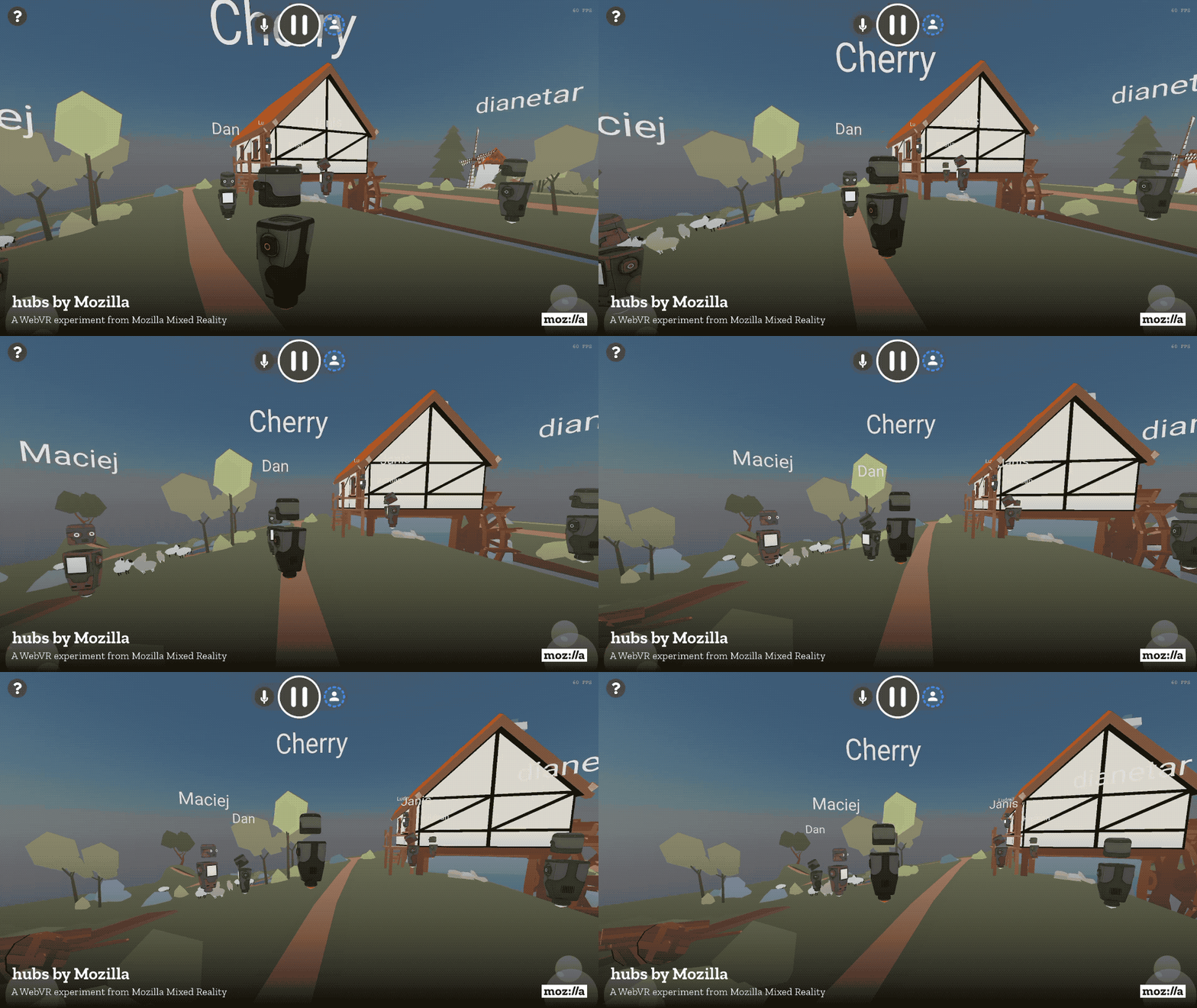
Avatars, low-latency voice, spatial audio, body direction, and room-scale context supported real-time conversation in shared rooms.
2017-2023 / Mozilla
Mozilla Hubs was an open-source social 3D platform for browser and VR rooms, with avatars, WebRTC voice and video, WebGL/WebXR graphics, backend services, persistence, and Hubs Cloud/self-hosted deployments.
What It Was
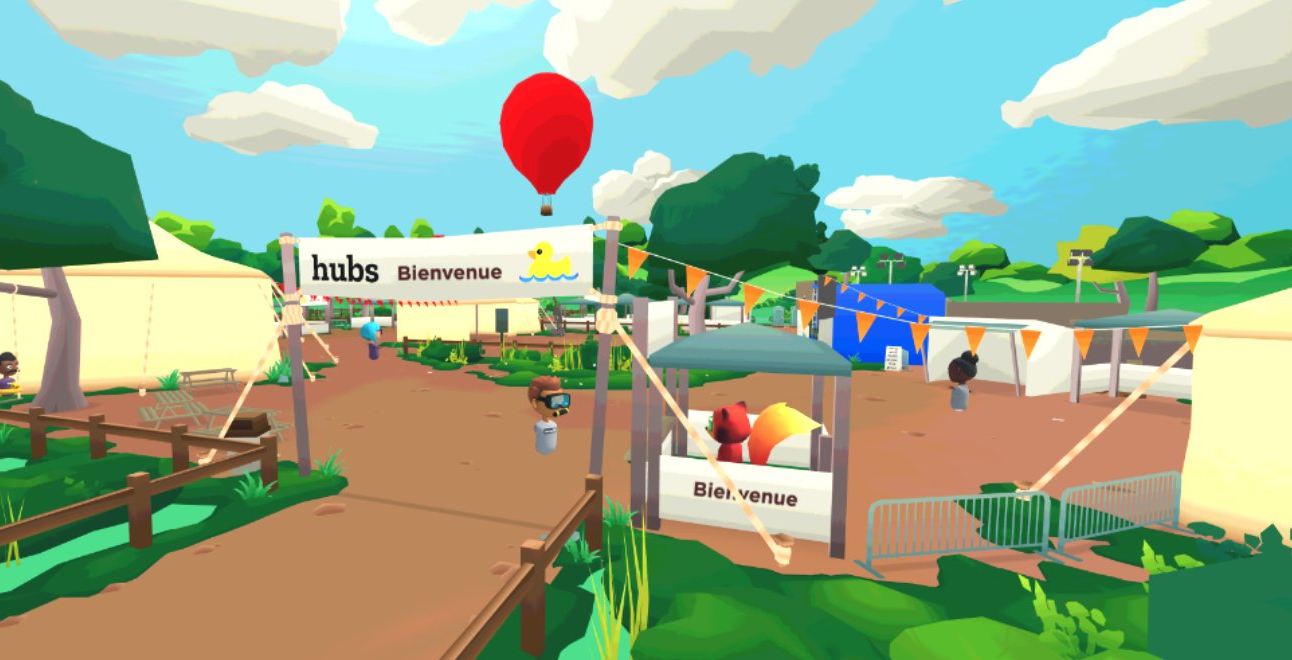
Hubs let people create a shared 3D room, invite others with a URL, talk, look around, and share media. It ran in the browser across desktop, mobile, and headsets, so the first interaction was opening a link rather than installing an app.
Greg Fodor's planning documents described Hubs and Spoke as browser-based tools for addressable mixed-media spaces, avatar-based communication, scene creation, open-source code, and servers that communities could run for themselves.
Avatars, low-latency voice, spatial audio, body direction, and room-scale context supported real-time conversation in shared rooms.
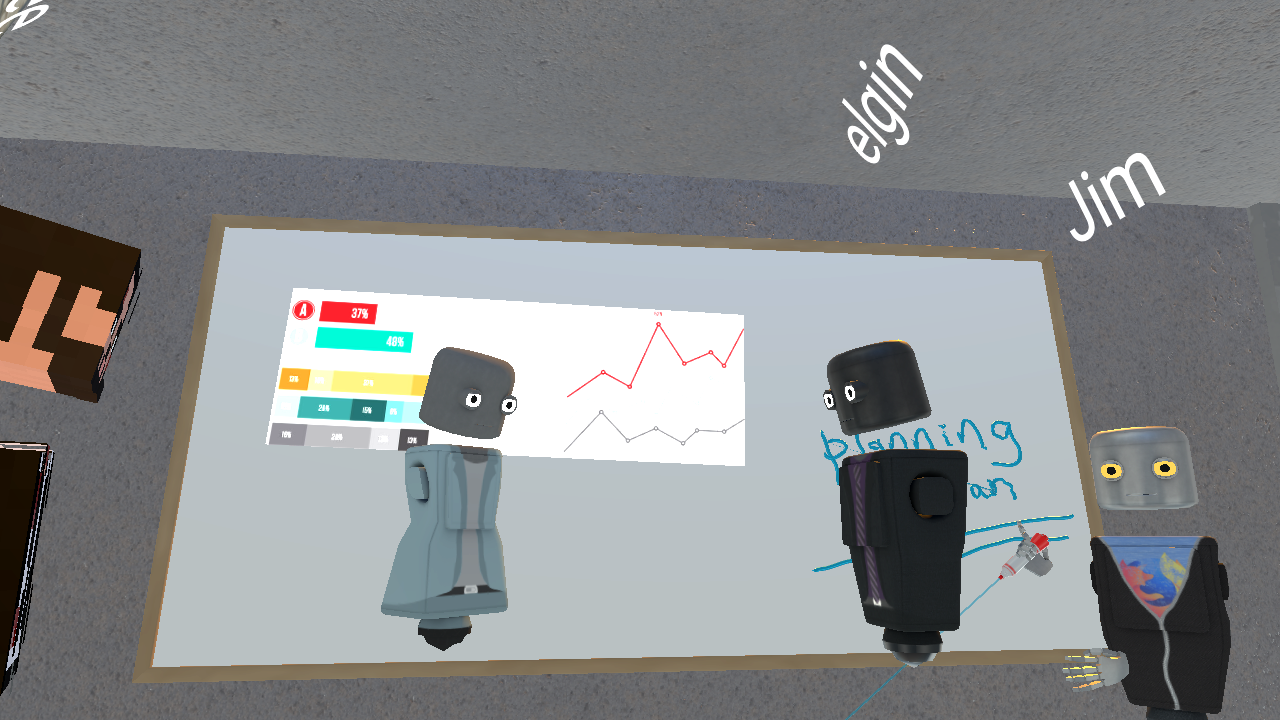
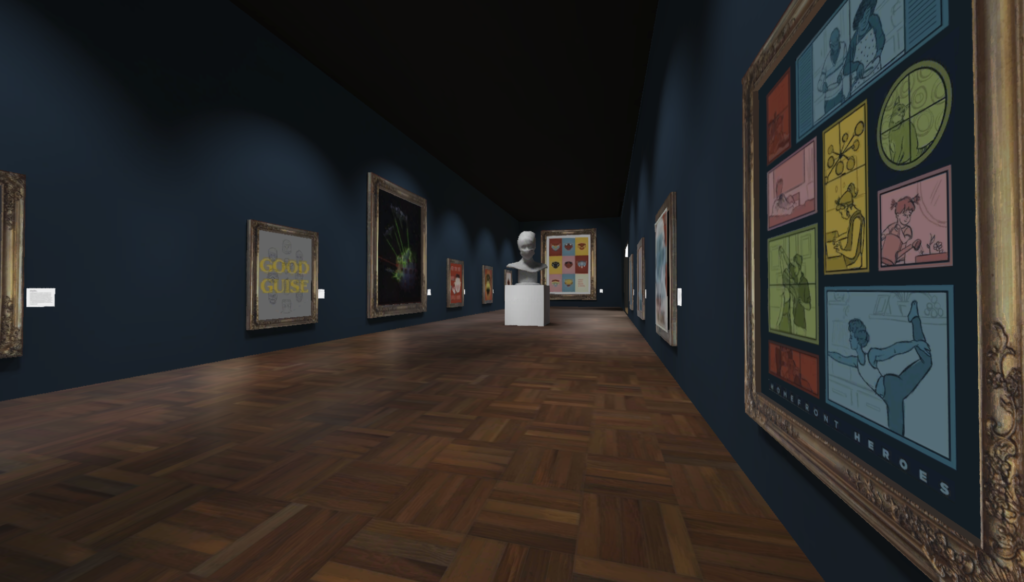
Images, videos, PDFs, 3D models, webcams, screen shares, and links could become shared objects inside a room.
Spoke gave people a browser-based editor for composing scenes, remixing rooms, and publishing environments.
Hubs Cloud pushed the project toward self-hosting, custom domains, custom branding, and independent operators.
Product Direction
The project emphasized small, linkable, user-created spaces rather than one centralized virtual world. Rooms could be created quickly, shared by URL, customized with scenes and media, and used for classes, meetings, galleries, events, or informal gatherings.
The project had to support both casual room creation and deeper customization through self-hosting, client changes, custom branding, and independent operation.
My Work
I worked on Hubs from 2017 to 2023, first as a staff software engineer and later as senior engineering manager. I managed a 12-person team of software engineers and technical artists, led hiring, onboarding, technical planning, releases, incident response, and security audits, and continued writing production code.
On the engineering side, I wrote the Hubs game networking layer for state replication, authority/ownership, presence, permissions, physics sync, media sync, and plugin-oriented extensibility. I also worked across avatars, animation, identity/auth, WebRTC voice/video, WebGL/WebXR rendering, the Elixir/Phoenix backend, Hubs Cloud, AWS, and GCP.
After Mozilla
Mozilla ended support for Hubs on May 31, 2024. The codebase is now maintained by the Hubs Foundation.
Gallery
A loose collection of rooms, tools, tutorials, experiments, and public examples from Mozilla blog posts, early feature updates, and the Hubs documentation archive.
A Hubs classroom scene with avatars, a projected slide, and shared context.
Gallery item 1 of 33